A free game still occupies a real part of your day. It can be a pleasant pause, but an open tab does not decide when that pause ends. Mindful play begins with a small choice before the first round: what would make this visit worthwhile? You might want a little entertainment or a moment with friends. Neither aim requires you to keep going indefinitely.
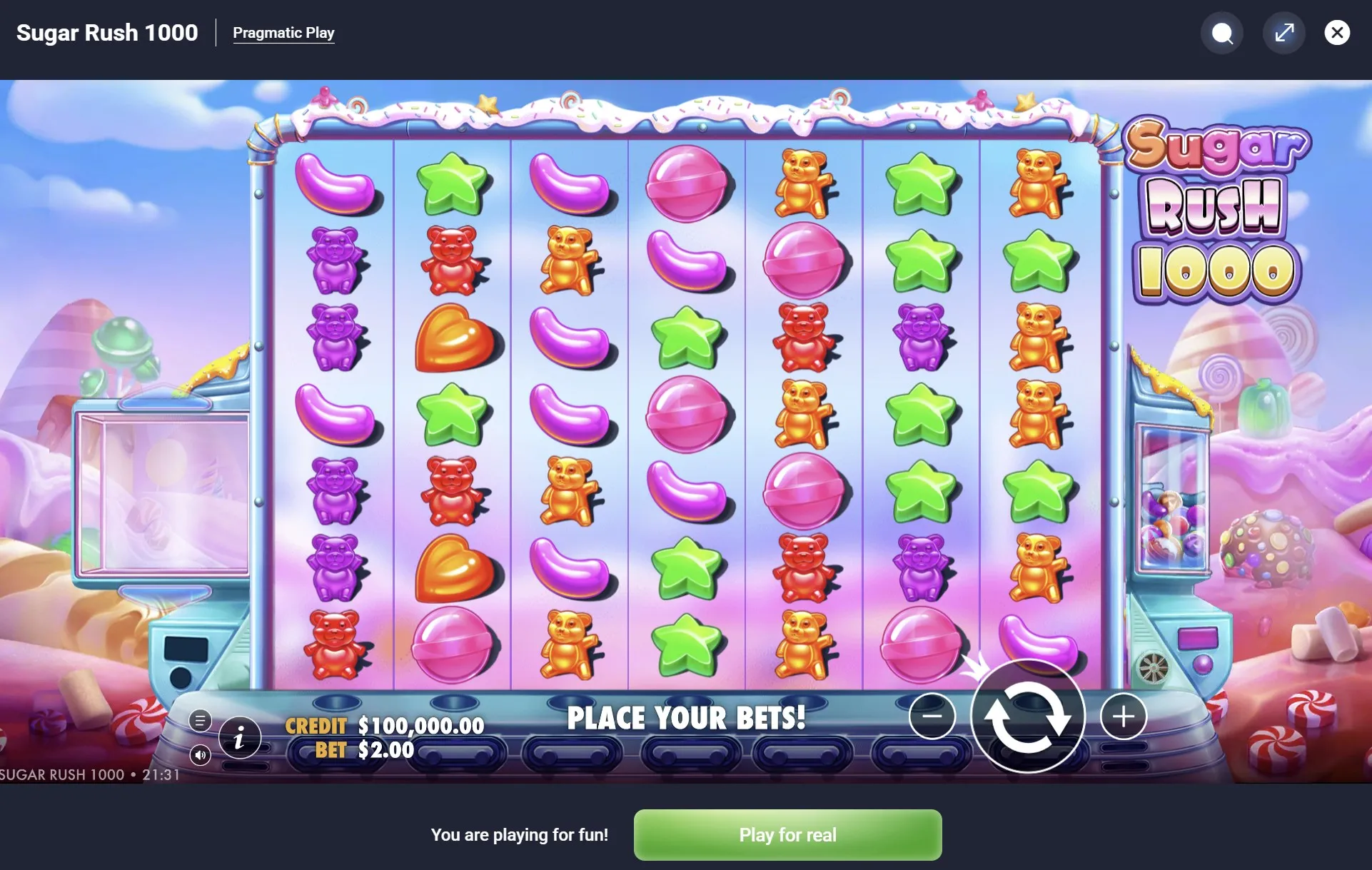
Choose an ending you can recognise
An ending tied to a result can keep moving. Waiting for a better balance or a particular animation gives the game control over the finish. A clock reminder or the start of another planned activity is easier to recognise. Pick something that fits your day, and decide what you will do next so closing the tab has a clear purpose.
Mindful play does not need an elaborate tracking system. A short note such as ‘a game before making dinner’ may be enough to express your intention. The useful part is noticing whether the plan still applies. If dinner is ready, a fresh round is not a reason to postpone it. You can leave a session without giving it a dramatic finale.
Before you press play
- Decide what you want from the break in one simple sentence.
- Choose a clear stopping cue that does not depend on a game result.
- Check where to leave the game and return to the page.
- Make the next activity easy to begin when the cue arrives.
This approach remains useful in 2026 because a familiar screen can still contain a new prompt or an altered menu. Take a moment to find your bearings after a change. You do not have to explore every feature during the same visit. Leaving something untried is a perfectly ordinary way to keep a short break short.
Let the screen fit the occasion
A comfortable session starts with being able to read what you are choosing. Adjust the sound and use a view that keeps the controls clear. If text feels cramped, try the browser’s zoom or a different screen orientation where supported. Check that the change actually helps; enlarging one part of an embedded game may leave another control out of view.
- Keep important controls visible before starting another action.
- Reduce sound if it competes with the conversation around you.
- Put unrelated notifications aside when you want a quiet break.
- Leave room to set down the device and step away easily.
Mindful play also means allowing interruptions to be interruptions. When someone speaks to you or another task needs attention, pause your involvement instead of rushing to do both. Whether the game saves progress depends on its own behaviour, so avoid assuming a closed tab will resume exactly where you left it. Read the help panel if that detail matters.
Check whether the break still feels like one
Sometimes the mood changes before the clock reminder arrives. You may stop enjoying the artwork and start watching only the balance, or find yourself pressing a button without thinking about it. These are useful moments to stop and ask what you want now. You do not need to wait for a planned finish when the experience has already lost its appeal.
| What you notice | A practical response |
|---|---|
| Controls feel cramped | Adjust the view before continuing |
| The finish keeps moving | Return to the stopping cue you chose |
| Conversation feels interrupted | Set the game aside and listen |
| The fun has faded | Close the session and choose something else |
A balance can be especially distracting when its meaning is unclear. Read the explanation of virtual credits before making that number the centre of your visit. If friends are involved, the guide to playing together offers ways to agree on an easy ending. A shared activity can respect different schedules without becoming less friendly.
Author’s opinion
For me, mindful play is most useful when it stays simple. I prefer one clear stopping cue and an honest check on whether I am still enjoying myself. A routine should make a break easier to leave, not create another task to complete perfectly. When closing the game feels like a normal choice, the rest of the day has room again.